Latest Climate Change News
Stay informed about East Devon District Council's latest climate change activities, including new projects, events, and community initiatives. This page highlights our ongoing efforts to combat climate change, featuring updates on local actions, upcoming events, and our latest social media content to keep you engaged and informed:
For updates on national and global climate change, sign up for Carbon Briefings. These briefings cover climate science, policy, and events worldwide. To subscribe, visit the Carbon Brief website and enter your email for regular updates.

Check out our latest blog posts:
- Plastic Free July
- National Volunteers’ Week: Chardstock Eco Group
- National Walking Month: Step Into Spring
- Gardens for Nature: Small Actions, Big Impact
- World Wetlands Day
- New Year, Net-Zero You
- Celebrate Christmas Sustainably
- Climate-Friendly Halloween
- Stay Warm, Save Energy: Sustainable Living Tips for Winter
- World Car Free Day - A Devon Resident's Experience
- Oxfam's Second Hand September
- World Water Week
- Climate-Friendly Back to School
Plastic Free Picnics
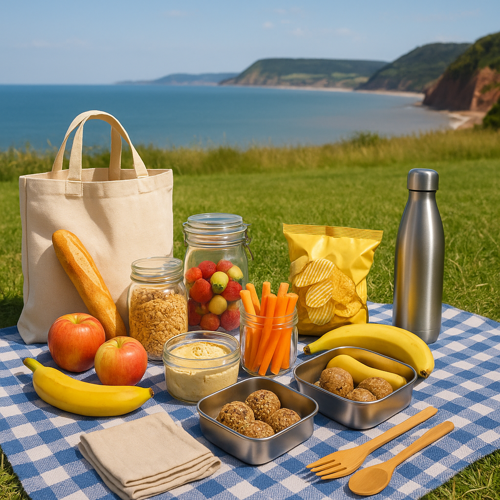
Summer days are perfect for picnics—whether it’s in your local park, on the beach, or amidst East Devon’s stunning countryside. But as we soak up the sunshine and enjoy delicious food, it’s important to keep our environment in mind. Plastic pollution is a major threat to wildlife and natural landscapes, so why not make your next picnic plastic-free?
Here are our top tips to help you enjoy a sustainable picnic while protecting East Devon’s beautiful environment:
- Use Reusable Containers and Bottles
Swap single-use plastic bags and wraps for durable, reusable containers. Silicone food bags, stainless steel lunch boxes, and glass jars are perfect for packing sandwiches, salads, and snacks. Don’t forget a refillable water bottle to stay hydrated without the plastic waste.
- Choose Compostable or Reusable Utensils
Avoid disposable plastic cutlery by bringing your own set of bamboo or stainless-steel utensils. An old lunch box, pencil case, or reusable cloth works great for taking your used cutlery home to wash, ready for reuse. Alternatively, opt for compostable forks and knives made from plant-based materials that break down naturally.
- Buy Fresh and Plastic-Free Snacks
Support local markets and shops by buying fresh fruits, vegetables, and baked goods that aren’t wrapped in plastic. Loose items mean less packaging and fresher ingredients.
- Prepare Homemade Plant-Based Snacks
For extra climate kudos, prepare some delicious plant-based snacks like hummus with veggie sticks, fruit skewers, or homemade energy balls. Plant-based foods generally have a lower environmental impact.
- Dispose Responsibly
Always take your rubbish home with you and recycle what you can. Leave no trace to keep East Devon’s parks and beaches clean and welcoming for everyone.
- Bring Your Own Cloth Napkins
Avoid paper towels and wipes that create waste. Cloth napkins can be washed and reused time and again.
- Opt for Bulk and Loose Items
Buying items in bulk reduces packaging waste. Choose a large bag of crisps to share instead of a multipack, stock up on loose fruit and veg instead of pre-packaged tubs, buy large bottles of juice or squash to decant instead of single-serving size containers, and pick up bakery items or treats from refill shops or markets to avoid excess packaging. Consider bringing your own jars or bags to fill with snacks or ingredients.
Enjoy Your Picnic and Protect East Devon’s Natural Beauty!
By making some of these small swaps, you’ll reduce your plastic footprint and help preserve the stunning landscapes that make East Devon so special. Let’s enjoy summer picnics while keeping nature clean and healthy for generations to come.
Plastic Free July

The sunny days of July bring more than just beach trips and picnics—they bring a chance to make a difference. Plastic Free July is a global movement that encourages people to reduce their use of single-use plastics. It’s not about being perfect—it’s about making better choices that help protect our environment.
What Is Plastic Free July?
Launched in Australia in 2011, Plastic Free July now inspires millions to swap disposable plastics for reusable alternatives. It’s a great way to start new habits that are better for people, wildlife, and the planet. Check out the office Plastic Free July webpage for more information.
Why It Matters in East Devon
From the red cliffs of Sidmouth to the estuaries and wetlands of the Axe and Exe, East Devon’s natural beauty is part of daily life. But single-use plastic pollution threatens these places. Once discarded, plastic often ends up in our rivers and oceans, harming wildlife and leaching microplastics into our environment.
By reducing the plastic we use, we help protect the landscapes and wildlife that make East Devon so special.
Easy Plastic-Free Swaps
Here are a few simple ways to get started:
- Use a refillable water bottle or coffee cup.
- Shop for loose fruit and veg at local markets.
- Store food in reusable containers.
- Choose bar soap or refillable toiletries.
- Carry a cloth shopping bag.
- Try a bamboo toothbrush or reusable razor.
It’s not about changing everything at once—just pick a few swaps that work for you. You can find more inspiration or take the official challenge at plasticfreejuly.org.
Local Support in East Devon
We’re lucky to have great local businesses and community initiatives that support low-waste living. Check out Recycle Devon for some great information and resources for best practice waste management.
Make Plastic Free July Count
Whether you make one swap or several, your choices matter. Together, we can reduce waste, protect nature, and keep East Devon beautiful for everyone—now and into the future.
National Volunteers’ Week: Celebrating Community Action for Nature and Climate
National Volunteers’ Week (1st – 7th June) is an opportunity to recognise and celebrate the amazing individuals and groups across East Devon who are giving their time to support nature, tackle climate challenges and strengthen their local communities.
From conservation and litter-picking to habitat creation and community gardening, environmental volunteers are making a meaningful impact across the district. Their work supports biodiversity, improves local spaces and helps build more resilient communities.
A Community Growing Together: Chardstock Eco Group Harmony Garden
A recent visit to the Chardstock Harmony Garden highlights the power of community-led environmental action. This pollinator-friendly community garden has been created as a shared space that promotes neighbours and nature growing together.
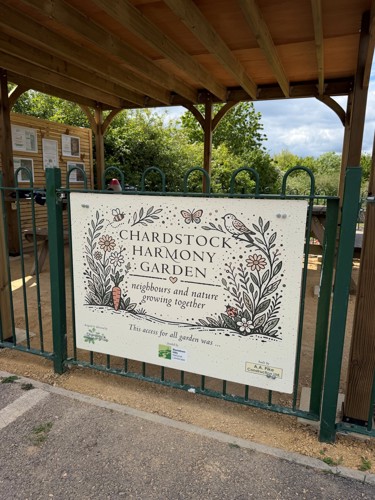
At the heart of the site are eight community garden beds, each maintained by a different local group:
- Chardstock Eco Group
- Chardstock Parish Council
- St Andrew’s C of E Primary Academy
- Chardstock Amateur Dramatic Society
- Chardstock Cricket Club
- Chardstock St Andrews Church
- Chardstock Gardening Club
- Chardstock Bowling Club
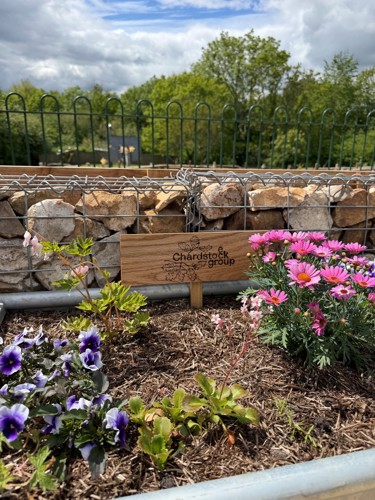
Each group has brought its own identity and creativity to its plot, designing and planting beds with a focus on supporting pollinators and contributing to a wider green corridor. The gardens are managed without pesticides or slug pellets, instead using more nature-friendly approaches such as strulch, helping ensure the space remains safe for bees, butterflies and other wildlife.
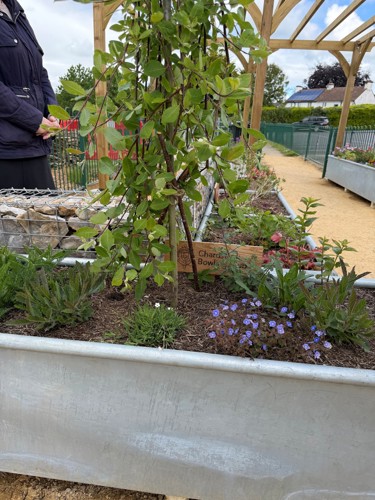
The garden has quickly become a valued ‘access for all’ shared space, enjoyed by people of all ages across the village. It offers an accessible, welcoming and peaceful environment where residents can spend time outdoors, meet others, and feel part of something positive. By bringing different groups together in one place, the project helps strengthen community connections, encourages wellbeing, and creates a sense of collective pride. As the garden continues to grow, it not only supports wildlife but also nurtures a stronger, more connected community.
The project is also deeply rooted in partnership working. Chardstock Eco Group have expressed their thanks to all those who helped bring the project to life, including Chardstock Parish Council for supporting and embracing the vision, Blackdown Hills National Landscape for providing ‘Access for All’ grant funding, Chardstock Community Hall Trustees, for enabling site access, AA Pike Construction for transforming the space, and CAG for funding plant purchases.
Each group also has a space on the site noticeboard to share their activities, helping encourage wider community involvement in exchange for maintaining their garden beds.
Creating Space for Wildlife: The Deadwood Hedge
Adjacent to the community garden is a standout feature led by Chardstock Eco Group – an impressive deadwood hedge, which took over 130 hours of volunteer time to build.
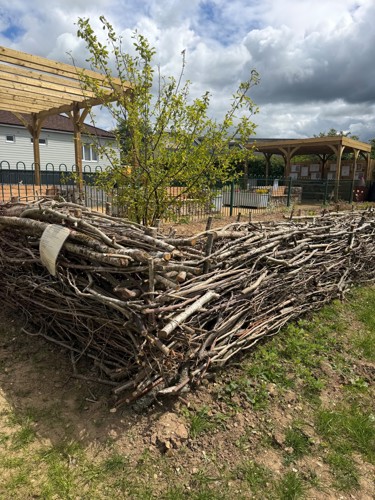
A dead hedge is a natural structure made by stacking branches, sticks and garden cuttings between posts. It provides a wide range of environmental benefits including creating shelter and nesting space for birds, insects and small animals as well as reusing natural materials that might otherwise go to waste
- It also serves as an educational and engaging feature within the space, inspiring visitors to replicate similar projects at home or within their communities – similar to St Andrew’s C of E Primary Academy and their dead hedge.
A Living, Shared Space
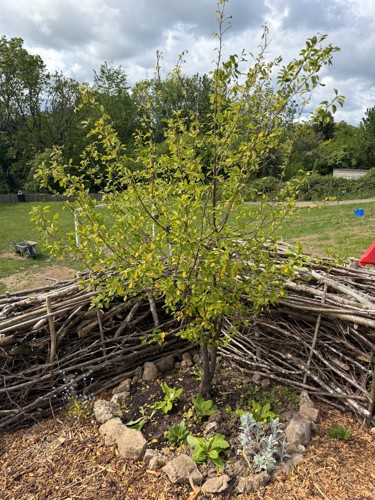
The area between the dead hedge and the garden beds has also been transformed into a pollinator-friendly planting area using a woodchip base. The woodchip material was donated as a by-product from The Axewoods Cooperative, an organisation tackling fuel poverty, further reinforcing the project’s sustainable ethos.
Inspiring Future Action
The Harmony Garden is now more than just a green space — it has become a place where people come together. Visitors share gardening tips, learn from one another and enjoy a welcoming environment to connect with both nature and their community.
Projects like the Chardstock Harmony Garden and deadwood hedge show how local action can deliver real benefits for biodiversity, climate and community wellbeing. They also demonstrate how small, practical steps can create lasting positive change. If you would like to find out more, please reach out to Chardstock Eco Group at ‘chardstockecogroup@gmail.com’.
By supporting and celebrating our environmental volunteers, we can inspire more people to get involved and help create a greener, more resilient East Devon.
Get Involved This Volunteers’ Week
National Volunteers’ Week is the perfect opportunity to get involved in environmental action across East Devon. Whether you’re new to volunteering or already involved, there are many ways to take part:
- Sign up to a nature conservation or litter-picking event
- Explore ongoing volunteering roles with local environmental groups
Let’s use this week to encourage even more people to play a part in caring for our environment.
National Walking Month: Step Into Spring
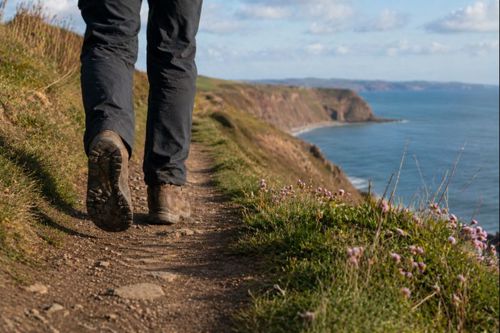
National Walking Month is the perfect opportunity to rethink how we make short journeys. Many everyday trips – from picking up groceries to posting a letter – are often short enough to walk. By making a simple swap from car to foot, we can reduce carbon emissions, improve air quality, and enjoy real benefits for our physical and mental wellbeing.
Walking is one of the easiest ways to build more activity into daily life, and it doesn’t require any special equipment – just a comfortable pair of shoes and a little time.
Here are some simple swaps to help you get started:
- Walk to the Shops
Instead of driving to pick up a few items, try walking to your local shop. Planning smaller, more frequent trips can reduce food waste and give you a chance to enjoy your surroundings. Bringing a reusable bag or backpack makes it even easier.
- Turn Errands Into Active Travel
Posting letters, collecting prescriptions, or popping to the bank are often quick car trips – but many can be done on foot. Walking these short journeys helps cut emissions and adds movement to your day without needing extra time for exercise.
- Walk the School Run (or Part of It)
If you have children, walking all or part of the school run is a great way to build healthy habits and reduce traffic around schools. Even parking a little further away and walking the last stretch can make a difference.
- Choose Walking for Short Social Visits
Visiting friends, heading to a local café, or meeting someone nearby? Swap the car for a walk and turn the journey into part of the experience. Walking with others is also a great way to connect and catch up.
- Explore Local Routes and Green Spaces
East Devon has a wealth of beautiful walking routes, from coastal paths to countryside trails. National Walking Month is a great time to explore somewhere new, whether that’s a short lunchtime stroll or a longer weekend walk.
- Join a Walking Group
Walking with others can be motivating and enjoyable. Local walking groups and community strolls offer a chance to meet new people while staying active and discovering new routes.
Make the Swap: Small Steps, Big Impact
Swapping even a few short car journeys each week can add up to a meaningful difference. Less driving means lower emissions, quieter streets, and cleaner air – all while helping you feel healthier and more energised.
Why not set yourself a walking challenge this month? Choose a few regular trips you can do on foot and see how it fits into your routine.
We’d love to see where your steps take you – share your favourite local walks, photos, and stories using #WalkEastDevon and inspire others to get involved.
Gardens for Nature: Small Actions, Big Impact
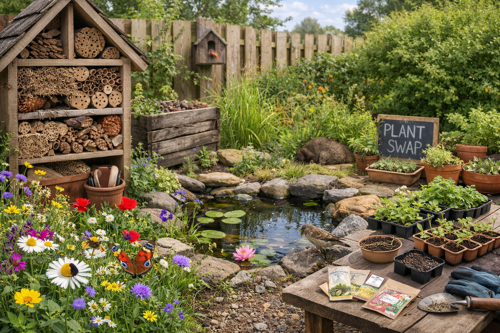
Our gardens have the potential to be powerful spaces for climate action. Whether you have a large lawn, a small patio, or even a few pots on a balcony, these green spaces can provide vital habitats, food sources, and shelter for local wildlife.
By making a few simple, nature-friendly changes, we can help biodiversity thrive across East Devon – right on our doorsteps.
Here are some easy ways to make your garden more wildlife-friendly:
- Plant Native Species
Choosing native plants helps support the insects, birds and pollinators that rely on them. These plants are well-suited to our local conditions and provide the best food sources for wildlife.
- Create Wildlife-Friendly Spaces
Even small features can make a big difference. Wildflower patches, bug hotels, hedges, or a small pond can all provide essential habitats and encourage a wider variety of species into your garden.
- Reduce Pesticide Use
Avoiding chemical pesticides helps protect pollinators and other beneficial insects. Natural pest control methods – like encouraging ladybirds or companion planting – can keep your garden healthy without harming wildlife.
- Let Some Areas Grow Wild
Leaving a corner of your garden to grow naturally creates shelter and feeding areas for insects, birds and small mammals. A slightly “wilder” garden is often a more biodiverse one.
- Compost Garden Waste
Composting is a simple way to recycle organic waste and return valuable nutrients to your soil. It also reduces the amount of waste sent to landfill and supports healthier plant growth.
- Grow, Share and Swap
Gardening can bring communities together. Swapping seeds, cuttings or plants with neighbours and local groups is a great way to share knowledge, save money and grow a wider variety of plants.
Make Your Garden a Climate Ally
Every garden – no matter its size – can contribute to a healthier, more resilient environment. By taking small steps to support nature, we can collectively create a network of wildlife-friendly spaces across East Devon.
Why not start with one or two changes and build from there?
Together, we can help nature flourish – one garden at a time.
World Wetlands Day: Protecting Nature, Climate and Communities
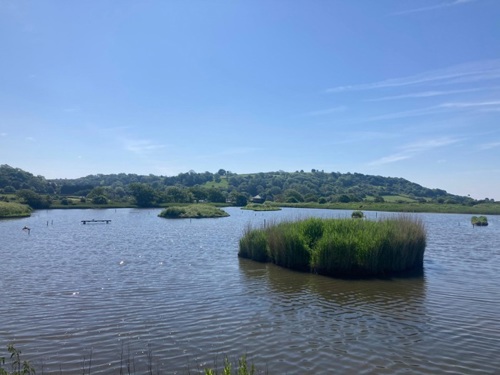
Wetlands may not always get the attention they deserve, but they are among the most valuable ecosystems we have. From supporting rich biodiversity to storing carbon and reducing flood risk, wetlands play a vital role in protecting both nature and people across East Devon.
Whether you’re visiting a nature reserve or making small changes at home, there are many ways we can all help care for these important habitats.
What Are Wetlands?
Wetlands include habitats such as marshes, reedbeds, wet grasslands, ponds and floodplains. They are areas where land and water meet, creating unique conditions that support a wide variety of plants and animals.
Supporting Wildlife and Biodiversity
Wetlands provide essential habitats for birds, amphibians, insects and plants — many of which rely on wetland environments to survive. From breeding birds to pollinators and aquatic life, wetlands are biodiversity hotspots that help nature thrive.
Storing Carbon and Tackling Climate Change
Healthy wetlands act as natural carbon stores, locking carbon into soils and vegetation and preventing it from being released into the atmosphere. Protecting and restoring wetlands helps tackle climate change while also supporting resilient ecosystems.
Natural Flood Management
Wetlands play an important role in reducing flood risk. By absorbing and slowly releasing water during heavy rainfall, they help reduce pressure on rivers and drainage systems, protecting homes, roads and communities downstream.
Improving Water Quality
Wetland plants and soils naturally filter pollutants, sediments and nutrients from water. This improves water quality in rivers and streams and helps create healthier environments for wildlife and people alike.
Visit, Value and Care for Wetlands
One of the best ways to appreciate wetlands is to visit them. Local nature reserves offer opportunities to explore, learn and connect with nature. Seaton Wetlands is a great example of how restored wetland habitats benefit wildlife and visitors alike.
You can also get involved directly by joining a volunteer day to help restore or maintain wetland habitats — from habitat management to practical conservation tasks.
Everyday Actions That Make a Difference
Protecting wetlands doesn’t stop at the reserve boundary. Simple actions at home help keep these ecosystems healthy:
- Avoid pouring chemicals, oils or fats down drains.
- Use environmentally friendly cleaning products.
- Dispose of waste responsibly to prevent pollution entering waterways.
Protecting Wetlands for the Future
Wetlands are essential for biodiversity, climate resilience and community protection. By valuing, visiting and caring for these special places, we can help ensure they continue to support wildlife and people for generations to come.
Let’s work together to protect East Devon’s wetlands — for nature, climate and communities.
New Year, Net-Zero You
The start of a new year is the perfect time to reflect, reset, and try something new. As we head into 2026, small changes to our everyday habits can add up to a big difference for our planet – and often save money and improve wellbeing too.
Living more sustainably doesn’t have to mean a complete lifestyle overhaul. By making a few simple swaps across energy use, food choices, transport, waste, and nature-friendly behaviours, we can all play a part in supporting a greener East Devon.
Here are some easy ways to kick-start your New Year, New Habits journey:
- Use Energy More Wisely at Home
Simple actions like turning appliances off at the plug, lowering your thermostat slightly, switching to LED lighting, or using a smart meter can significantly reduce energy use. These small steps help cut bills while reducing carbon emissions.
- Make Sustainable Food Choices
Try adding more plant-based meals into your week, buying seasonal and local produce, and planning meals to reduce food waste. Even one or two small food swaps can have a positive impact on your carbon footprint.
- Rethink How You Travel
Whenever possible, choose active travel like walking or cycling for short journeys. If that’s not practical, consider public transport or car-sharing. Reducing car use where you can helps cut emissions and improves local air quality.
- Reduce, Reuse and Recycle
Take a fresh look at your waste habits. Reducing single-use items, reusing what you already have, repairing before replacing, and recycling correctly all help conserve resources and reduce landfill.
- Be Nature-Friendly
Small actions can make a big difference for local wildlife. Plant pollinator-friendly flowers, leave areas of your garden a little wilder, or support nature by choosing peat-free compost. Helping nature thrive also supports climate resilience.
Set Yourself a Net Zero Challenge
To make it even easier to get started, why not set yourself a Net Zero challenge for the year ahead? Choose a few simple swaps that fit your lifestyle – whether that’s reducing energy use at home, changing how you travel, cutting food waste, or doing more for nature.
There’s no “one-size-fits-all” approach. What matters is choosing actions that feel realistic and sustainable for you and sticking with them over time.
We’d love to hear what you’re committing to – share your pledge and inspire others by using #NetZeroEastDevon.
Small Changes, Lasting Impact
A more sustainable future starts with everyday choices. By embracing new habits this year, we can reduce our environmental impact and help create a healthier, greener East Devon for everyone.
Let’s make 2026 the year of positive change – one small swap at a time.
Celebrate Christmas Sustainably

Christmas is a time for warmth, generosity, and togetherness — but it can also be a time of increased waste, energy use, and consumption. The good news? With a few mindful choices, you can enjoy all the magic of the season while reducing your environmental impact.
Here are some simple, sustainable ideas to help you celebrate a greener Christmas this year:
- Choose Thoughtful, Low-Impact Gifts
Gifts don’t have to be expensive or heavily packaged to be meaningful. Consider presents that are:
- Locally made or ethically sourced
- Experiential, such as tickets or workshops
- Reusable or handmade
- Designed to last rather than be thrown away
These choices not only reduce waste but also support local businesses and crafters.
- Wrap Smartly
Each year, huge amounts of wrapping paper end up in the bin. Opt for recyclable or reusable alternatives such as:
- Plain brown paper
- Fabric wraps
- Reused boxes and bags
Add natural decorations like twine or dried orange slices for a charming eco-friendly touch.
- Decorate Sustainably
You can create festive cheer without relying on single-use plastic decorations. Try:
- LED fairy lights to save energy
- Natural decorations like evergreen branches, pinecones, or foraged foliage
- Reusing decorations year after year
These choices look beautiful while keeping your environmental footprint low.
- Reduce Food Waste
Food plays a big part in Christmas celebrations, but so does food waste. Reduce waste by:
- Planning meals and buying only what you need
- Getting creative with leftovers
- Freezing extra food for later
Supporting local growers and producers can also reduce carbon emissions from transport.
- Choose a Greener Christmas Tree
Whether real or artificial, your tree can be more sustainable:
- If buying real, choose locally grown trees, or look for ones you can replant in your garden.
- If using an artificial tree, keep it for as many years as possible.
- Consider renting a Christmas tree from a local provider if available.
- Save Energy Where You Can
Winter energy use tends to spike, but small actions help:
- Use LED lights for decorating
- Turn off lights when you're out or asleep
- Keep the heating at a steady, efficient level
These steps save both energy and money while keeping your home cosy.
Let’s Celebrate Christmas the Eco-Friendly Way
By making small, mindful choices this festive season, we can enjoy all the joy of Christmas while also protecting our planet. Every step — big or small — helps us create a more sustainable future for East Devon and our communities.
Wishing you a warm, joyful, and environmentally friendly Christmas!
Climate-Friendly Halloween
As the leaves turn and Halloween excitement begins to brew, it’s the perfect time to think about how we can make spooky season a little less scary for the planet.
Halloween is a fun and festive time of year—but it also tends to generate a lot of waste, from plastic decorations and sweet wrappers to single-use costumes. The good news? With a few simple swaps, you can enjoy all the fun while treading more lightly on the Earth.
Here are our top tips to help you celebrate a more sustainable, climate-friendly Halloween:
- DIY or Reused Costumes
Skip the fast fashion and embrace creativity! Costumes don’t need to be brand-new or plastic-heavy. Use clothes you already have at home, borrow from friends, or get crafty with charity shop finds. Adding recycled materials or making your own accessories can bring a unique and personal flair—while saving money and reducing waste.
- Sustainable Decorations
Plastic decorations might be convenient, but they’re often used once and thrown away. Instead, opt for:
- Natural items like pumpkins, autumn leaves, or twigs
- Homemade paper or fabric bunting
- Reusable lights or lanterns
When the season’s over, compost the organic bits and store the rest for next year.
- Eco-Friendly Treats
Halloween can mean mountains of plastic-wrapped sweets—but it doesn’t have to. Look out for:
- Treats with recyclable or compostable packaging
- Fairtrade or locally produced chocolates
- DIY goodies if you're hosting (like popcorn in paper bags or homemade cookies)
Every wrapper saved adds up!
- Compost Your Pumpkin
Once Halloween is over, don’t let your carved pumpkin end up in the bin. Pumpkins are compostable, and many councils (including East Devon) support food and garden waste collections. You can also try turning the flesh into soups, muffins, or roasted snacks. A win for your tastebuds and the environment.
- Sustainable Trick-or-Treating
Ditch the car and hit the pavement. Walking or cycling between houses is not only more eco-friendly, it’s also a great way to stay active, enjoy the crisp autumn air, and connect with your community. Bring along a reusable bag or bucket to collect sweets sustainably.
Let’s Make This Halloween a Little Greener
A climate-friendly Halloween doesn’t mean missing out on the fun—it just means celebrating in a way that’s kinder to our planet. With a little imagination and thought, we can reduce waste, lower emissions, and still enjoy the spooky spirit of the season.
From DIY costumes to pumpkin composting, every small action makes a difference. Let’s make this Halloween both festive and future-friendly!
Stay Warm, Save Energy: Sustainable Living Tips for Winter

As the days grow shorter and temperatures drop, it’s natural to want to retreat indoors and keep cosy. But staying warm in winter doesn’t have to mean higher energy bills or a bigger carbon footprint. With a few simple changes, you can make your home more comfortable, cut costs, and live more sustainably this season.
Here are some top tips to help you keep warm and eco-friendly this winter:
- Insulate and Eliminate Drafts
One of the most effective ways to keep heat in your home is through insulation. Seal up gaps around windows and doors to stop cold air sneaking in, and consider adding insulation to your loft or walls if you can. Even small changes, like using draft excluders, can make a noticeable difference.
- Layer Up
Instead of immediately turning up the thermostat, try adding extra layers of clothing or blankets. Woolly socks, jumpers, and cosy throws keep you warm without extra energy use.
- Enjoy a Warm Drink
A cup of tea, coffee, or hot chocolate can do more than warm your hands — it raises your core temperature and creates a sense of comfort. Make it a daily ritual to pause and enjoy something warming.
- Use Energy-Efficient Heating
If you’re using a heater, make it an efficient one. Modern, energy-saving heaters and smart thermostats can help you heat your home effectively without wasting energy. Try to heat the rooms you use most, rather than the whole house.
- Switch to LED Bulbs
As evenings draw in, lighting becomes more important. Swapping to LED bulbs uses far less energy and lasts much longer than traditional bulbs, helping you save money over time.
- Create Cosy Vibes
Make your home feel warm and inviting without turning up the heating. Candles, soft lighting, and thick blankets all help create a snug atmosphere — perfect for winter evenings.
- Embrace Natural Heat
Take advantage of the sun’s natural warmth. Keep curtains and blinds open during daylight hours to let the sunshine in, then close them at dusk to trap the heat inside.
- Keep Moving
Staying active helps boost circulation and keep you warm. A short walk, some stretches, or even a burst of housework can raise your body temperature — and your mood.
Let’s Stay Warm and Eco-Friendly This Winter
By combining simple habits with a few smart changes, you can enjoy a cosy winter while saving energy and reducing your carbon footprint. Small actions add up, and together we can make this season both comfortable and sustainable.
World Car Free Day - A Devon Resident's Experience
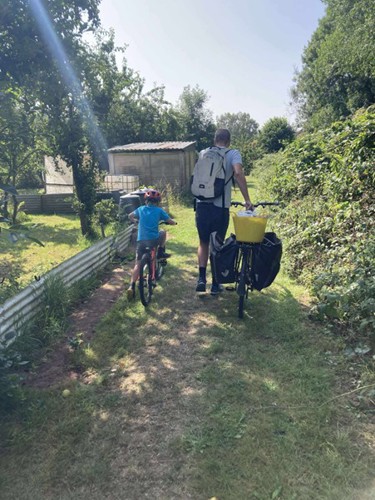
World Car Free Day, held every year on 22nd September, encourages people around the world to imagine a life less reliant on cars — and the benefits that come with it, from cleaner air to healthier lifestyles.
To mark the occasion, this post shares the experience of a local Devon family who made the decision to give up their car. Passionate about the environment and committed to low-impact living, they’ve spent the last few years adapting to life without private vehicle ownership. Their story highlights not only the challenges of going car-free, but also the unexpected joys, cost savings, and sense of freedom that can come with a different way of getting around.
Living Without a Car: The Challenges and the Rewards
Living without a car isn't practical for everyone, but for some households, especially those based in well-connected urban areas, it can be a viable and rewarding choice. In this example, a family living in Devon decided to give up car ownership and instead rely on walking, cycling, and public transport.
Their area is well-served by amenities such as shops, schools, healthcare, and public transport links, making the transition easier than it might be in more rural or isolated locations.
Why Give Up the Car?
Before making the switch, the family weighed the many costs and inconveniences of owning a car:
- Annual expenses for MOT, servicing, insurance, and road tax – totalling around £1,000
- Parking fees and the time spent searching for spaces – around £500 per year
- Rising fuel costs – roughly £600 annually
- Unpredictable journey times due to traffic
- The stress of congestion and limited opportunities to exercise
Factoring in the cost of buying and maintaining a vehicle, they estimated they were spending the equivalent of a month’s wages and time each year just to own and run a car.
Managing Without a Car
The transition to car-free living came with its own set of challenges, especially with a young child in tow. Initially, the family hired cars occasionally – up to 10 times in the first year – but this has gradually reduced to just a few times annually, costing around £500.
For day-to-day travel, bikes and bike trailers have proven invaluable, including setups like a "follow-me" tandem for school runs and longer leisure rides. As the child grew older, the family’s ability to travel further by bike and train increased.
Adapting to New Ways of Getting Around
Public transport now plays a key role in family life. Trains have offered excellent value when using a family railcard, and have even become part of the fun – with travel games and scenic routes turning the journey into an experience. Buses are more limited and occasionally unreliable, but they remain a useful option for shorter trips.
Favourite days out include train journeys to Totnes, Paignton, Calstock, and Sherborne, as well as bus trips to Killerton and Tiverton. While some destinations, particularly along the East Devon coast, are harder to reach without a car, the family has found creative alternatives and discovered places they might never have visited otherwise.
National Trust membership and local geocaching have helped keep walks and weekends interesting – even in the rain, with waterproofs and board games at the ready.
Final Thoughts
Going car-free isn't for everyone, especially outside urban centres with good transport links. However, for those in the right location and with some flexibility, the shift can offer real financial, environmental, and lifestyle benefits. It requires planning and a willingness to adapt – but can ultimately lead to a simpler, more connected way of living.
Oxfam’s Second Hand September

East Devon Embraces Second Hand September
As September rolls in, now’s the perfect time to join Oxfam’s annual Second Hand September campaign — an initiative encouraging us all to forgo buying new clothing for a month and instead rediscover the joy of pre-loved fashion. It’s a movement that’s about more than just shopping — it’s about making a stylish stand for the planet.
Why It Matters
The fashion industry is one of the most environmentally damaging sectors globally generating greenhouse gases, using huge amounts of water, and driving textile waste. Buying second-hand helps reduce demand for new clothing, curbing resource use and landfill waste.
Oxfam has made taking part simple with a shop finder to locate your nearest store in East Devon. Devon boasts a vibrant network of charity shops perfect for embracing Second Hand September in both Oxfam and other great charity shops, that can help you in the challenge to shop second hand in September.
How to Participate in East Devon:
- Browse Oxfam’s local stores — Use Oxfam's online finder or visit Sidmouth, Exmouth and Budleigh Salterton.
- Donate pre-loved items — Give your unworn clothes a second life and boost local retail.
- Share your finds — Tag your favourite second-hand picks with #SecondHandSeptember and inspire others.
Second Hand September gives us an opportunity to rethink our wardrobes — and our impact. By shopping thoughtfully and supporting local Oxfam and charity shops, we can nurture a fairer, greener future — right here in East Devon.
World Water Week

World Water Week is the biggest international event about water and the environment, taking place this year between 24th and 28th August. Every year, people from over 190 countries—including scientists, students, charities, and governments—share ideas and solutions.
Even though it takes place in Sweden, anyone can take part online for free!
This year’s focus is on how water can help us tackle climate change by managing droughts and floods better, protecting nature, and building stronger communities.
Why It Matters in East Devon
We’re already seeing how climate change is affecting water in our area:
- Heavier rain can cause flooding in our towns and countryside.
- Hotter, drier summers mean there’s more pressure on our rivers and water supplies.
- Wildlife and habitats that rely on healthy rivers and wetlands are under threat.
That’s why water is a big part of our climate work at East Devon District Council. We're supporting things like:
- Creating and protecting wetlands that help store water and support wildlife.
- Encouraging water-saving habits at home, at work, and in our communities.
What Can You Do?
You don’t have to be a scientist to help make a difference! Here are some simple ways you can get involved:
Save water at home:
- Turn off taps when brushing your teeth.
- Fix drips and leaks quickly.
- Use a watering can instead of a hosepipe in the garden.
- Only run washing machines and dishwashers with full loads.
- Look at getting a water butt installed, these are often available for free or at discounted rates. Check out Southwest Water as they often provide water butts for free.
Look after our rivers and wildlife:
- Join a local beach or river clean-up.
- Support local nature groups working to protect wetlands and streams.
- If you garden, try creating a small pond to help wildlife. Resources for this can be found via the Wildlife Trust.
Take part in local climate action:
- Get involved in local climate or nature events.
- Share tips with friends and family about saving water and reducing waste.
Join the Conversation
World Water Week 2025 takes place from 24–28 August, and many of the talks and workshops are available online for free. You can find out more at: www.worldwaterweek.org
Let’s put water at the heart of climate action — here in East Devon and around the world.
Climate-Friendly Back to School

As the summer holidays come to a close and the school bells prepare to ring again, it's the perfect opportunity to rethink our routines—and that includes how we shop and prepare for the new school year.
Back-to-school season often brings a flurry of purchases and planning, but it doesn't have to cost the Earth. By making a few simple, thoughtful changes, we can support our children’s education while protecting the environment we all share. Here are some top tips to help you make more climate-friendly and sustainable choices this school year:
- Embrace Reusables
Instead of single-use items, choose durable, long-lasting alternatives. Refillable water bottles, stainless steel lunchboxes, and reusable snack pouches not only cut down on waste but also save money in the long run.
- Choose Eco-Friendly School Supplies
Before heading to the shops, take stock of what you already have at home. Reusing last year’s supplies—like rulers, pencil cases, folders, and even half-used notebooks—is one of the simplest ways to reduce waste. Only buy new items if they’re truly needed.
When you do need to replace something, opt for school essentials made from recycled materials or sustainably sourced wood. Notebooks made from recycled paper, refillable pens, and FSC-certified pencils are great eco-conscious choices. Many shops now stock sustainable ranges to make your decision easier.
- Sustainable Clothing and Gear
School uniforms, backpacks, and sports kits can often be found second-hand or through local swap initiatives. This reduces textile waste and gives perfectly good items a second life. Check with your local community centre or school for organised uniform exchanges.
- Active Travel to School
Encourage walking, cycling, or scooting to school where possible. Not only does this reduce emissions, but it also promotes physical health and gives children a positive, energised start to the day. Consider forming a walking group with nearby families for added safety and fun.
- Reduce Paper Waste with Digital Learning Tools
Where appropriate, take advantage of digital tools for notetaking, reading, and homework. Reducing paper usage helps save trees and lowers the carbon footprint associated with paper production and disposal.
- Pack Waste-Free Lunches
Opt for a zero-waste lunchbox by avoiding single-use plastics like cling film and individually wrapped snacks. Beeswax wraps, reusable containers, and cloth napkins are all eco-friendly options. Buying snacks in bulk and preparing fresh meals at home also cuts down on excess packaging.
Let's Make This School Year a Greener One
By making just a few mindful swaps, we can collectively reduce waste, cut carbon emissions, and inspire the next generation to live more sustainably. Let’s start the school year on a greener path—together.